
Announcing The RIDE 2026 Elephant Coexistence Trek: Community-Led Conservation in Kasigau
Setting the Scene for Evolving Coexistence
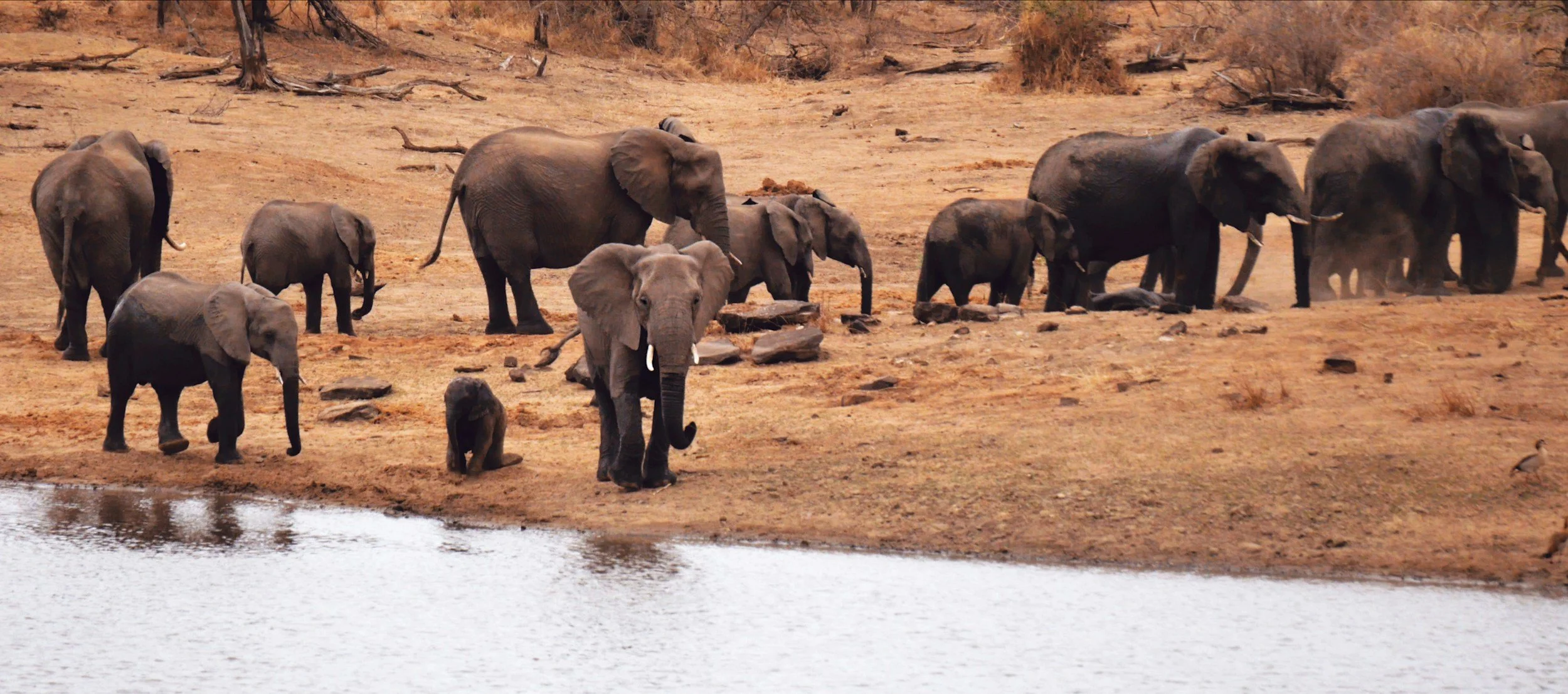
In the Kasigau region of southeastern Kenya, people and elephants share the same land. Farms sit along elephant movement routes and water sources are used by both wildlife and communities. Here, coexistence is not a theory, but a daily practice shaped by local knowledge, patience, and collaboration. The Elephant Coexistence Trek in Kasigau is designed to place participants inside that reality. Rather than approaching conservation from a distance, the trek centers on community volunteering and learning directly from the people who have been leading human–elephant coexistence efforts for years. Volunteers do not arrive with solutions; they arrive to listen, support, and learn how human-animal collaboration and cohabitation works on the ground.
Community-Led Conservation in Practice
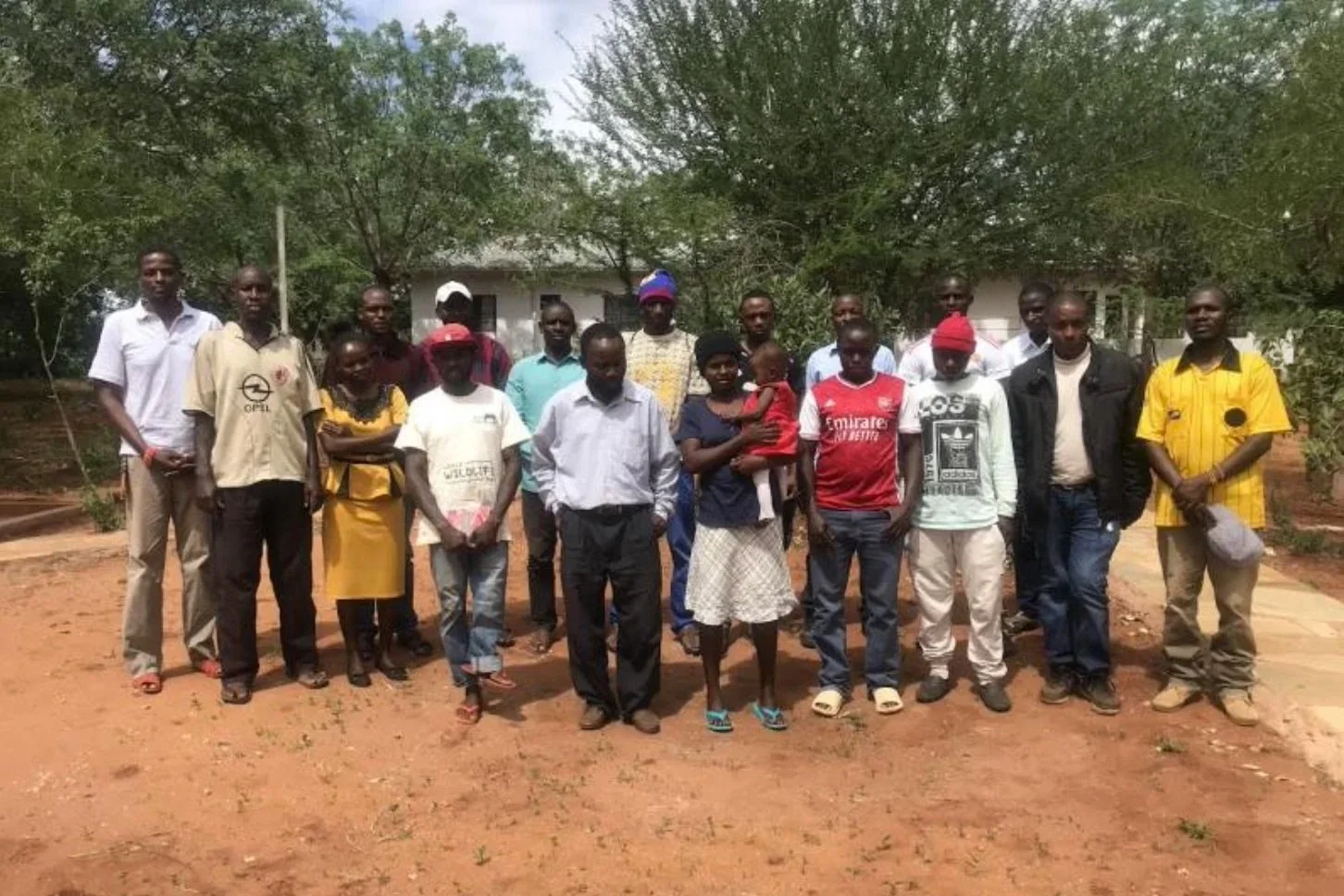
At the heart of the trek are the Elephant Guardians: local volunteers who patrol at night to help keep elephants out of farms. Using torches, communication networks, and deep knowledge of elephant behavior and the landscape, guardians gently redirect elephants away from crops and alert farmers to their presence. Volunteers on the trek spend time alongside these guardians, learning how conflict prevention works in real time. This includes understanding why non-violent deterrence matters, how trust between neighbors is built, and how shared responsibility strengthens coexistence. The trek also introduces participants to the broader system that supports this work: sunflower farming that discourages crop raids, water catchments that reduce competition over scarce resources, and community decision-making that keeps conservation locally led.
Supporting Elephant Monitoring and Learning
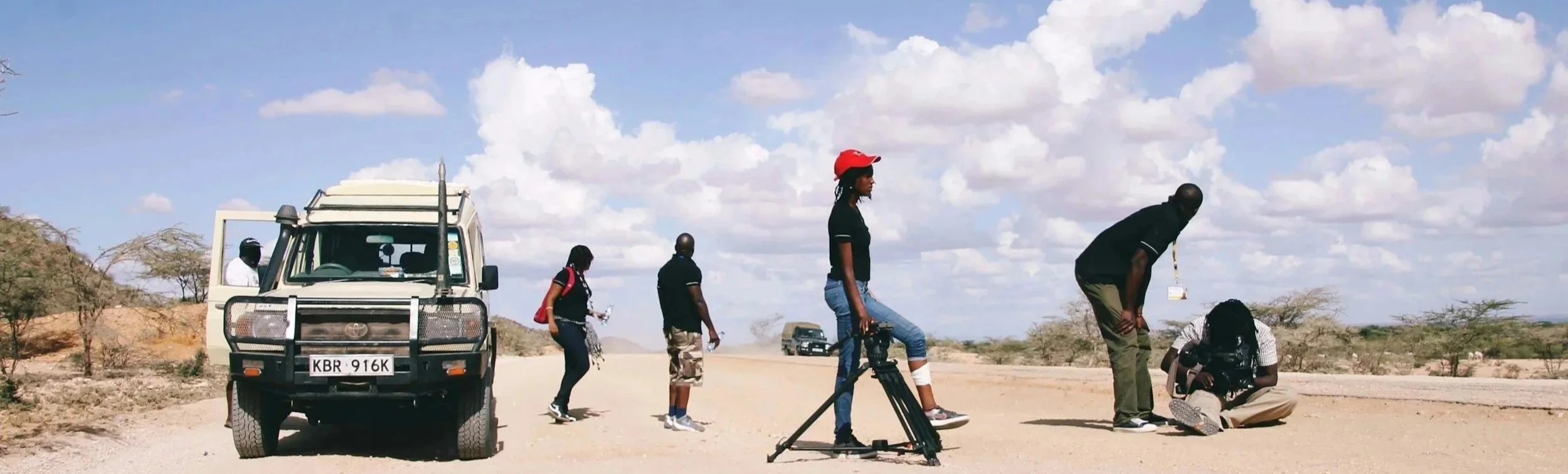
The growing focus of the RIDE 2026 trek is elephant monitoring which acts as an effort to better understand individual elephants and their behaviors without harming or disturbing them. Rather than treating elephants as a single group, communities are working to identify individual elephants using visual markers such as ear shape, scars, and body features. This allows guardians to recognize repeat visitors, understand patterns, and adapt their responses accordingly. Volunteers learn how this identification process works and why it matters. By supporting basic data collection and observation, participants contribute to a larger learning effort that helps answer important questions: Which elephants are most likely to approach farms? How do age and sex influence behavior? Which deterrence techniques work best for different situations? This approach transforms coexistence into a form of community-based citizen science, where knowledge grows from lived experience and shared observation.

Volunteering on the RIDE Trek: engaged, open-minded, and respectful
Volunteering on a RIDE trek is not about wildlife tourism or research extraction. It is about showing up with humility, curiosity, and respect. Days may include early mornings, long walks, shared meals, and reflective conversations. Nights may involve observing patrols and learning how communities protect both livelihoods and wildlife. Participants leave with a deeper understanding of conservation as a social process, one rooted in relationships, adaptability, and mutual respect. By walking alongside communities in Kasigau, volunteers gain more than experience. They gain perspective on what coexistence truly requires, and why community leadership is essential to making it last.
The RIDE 2026 Elephant Coexistence Trek invites participants to learn, support, and engage with coexistence in action, guided by the communities who live it every day.
